No products in the cart.
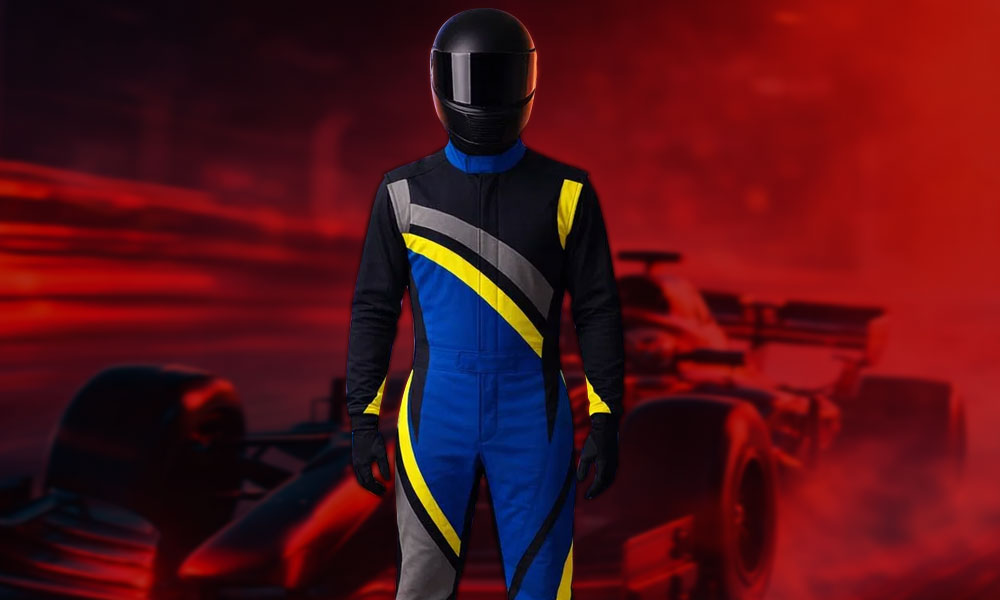

You’re shopping for a racing suit and you keep seeing terms like SFI 3.2A/1, SFI 3.2A/3, and SFI 3.2A/5. The suits look similar. The prices are very different. And the product descriptions don’t always explain why.
This guide cuts through the confusion. We’ll break down exactly what a ‘layer’ means in a Nomex racing suit, which SFI ratings correspond to which protection levels, and — most importantly — which suit is right for your type of racing.
When we talk about layers in a racing suit, we mean the number of individual Nomex fabric plies sewn together in the suit’s construction. Each layer adds thermal protection by slowing the transfer of heat from an external fire to your skin.
The key metric is TPP (Thermal Protective Performance) — a number that represents how many seconds your suit can protect you from second-degree burns when exposed to an open flame. The higher the TPP, the more time firefighters or crew members have to reach you.
Here’s how layers map to TPP ratings under the SFI 3.2A certification standard:
All three are made from genuine Nomex® fiber — the difference is purely in how many layers are bonded or stitched together.
| Feature | 1-Layer (SFI 3.2A/1) | 2-Layer (SFI 3.2A/3) | 3-Layer (SFI 3.2A/5) |
| TPP Rating | ~3 seconds | ~7 seconds | ~19+ seconds |
| Weight | Lightest | Medium | Heavier |
| Comfort | Most breathable | Good balance | Warmer/stiffer |
| Price Range | $169–$349 | $499–$749 | $599–$799 |
| Best For | Street stock, karting | Late model, IMSA | Drag, sprint car |

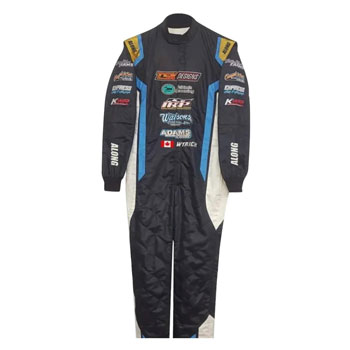
A single-layer Nomex suit certified to SFI 3.2A/1 is the entry point into SFI-approved fire protection. These suits are light, breathable, and significantly more affordable than multi-layer alternatives.
What you give up: At ~3 seconds of TPP, a 1-layer suit will protect you from brief flash fires, but it offers little margin in a sustained fire situation. If your series regularly sees fuel fires or rollover risk, seriously consider stepping up.
Two-layer suits represent the sweet spot for most serious amateur and semi-professional racers. The jump from SFI 3.2A/1 to 3.2A/3 roughly doubles your TPP, giving you around 7 seconds of burn protection — enough to significantly improve your odds in a real fire event.
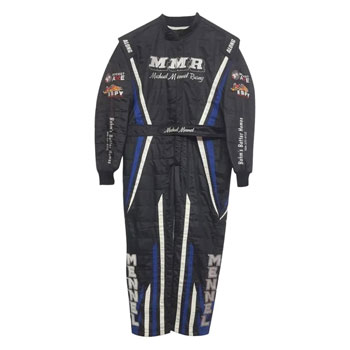
The weight penalty over a 1-layer suit is noticeable but manageable — most drivers adapt quickly, especially with proper Nomex undergarments that wick moisture and reduce heat buildup inside the suit.
If you race sprint cars, midgets, or any open-wheel dirt car — stop reading and go straight to a 3-layer suit. Most sanctioning bodies in those disciplines mandate SFI 3.2A/5 as their minimum standard, and for good reason: rollover fires in winged sprint cars can be fast and ferocious.
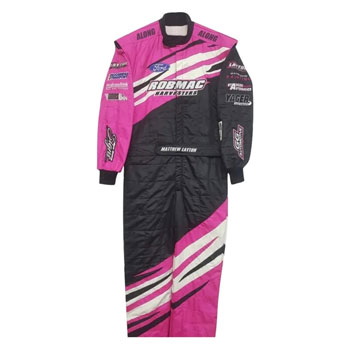
The tradeoff: Three-layer suits are heavier and retain more body heat. Long endurance races in hot climates can be genuinely uncomfortable. This is why professional teams invest in custom-tailored suits with precision fit — a well-fitted 3-layer suit feels far better than an off-the-rack one.
| Racing Type | Recommended Layer | Why |
| Street stock / autocross | 1-Layer | Low fire risk, maximum comfort, budget-friendly |
| Go-kart / karting | 1-Layer | Lightweight essential; karting mandates vary |
| Late model / modified | 2-Layer | Higher speeds, enclosed cockpit, better protection |
| Dirt track / dirt late model | 2–3 Layer | Fuel exposure, roll risk in open-wheel cars |
| Sprint car | 3-Layer | Mandated by most sanctioning bodies (SFI 3.2A/5) |
| Drag racing | 2–3 Layer | Short duration but extreme fuel/fire exposure risk |
| Off-road (desert, Baja) | 2-Layer | Long-duration events with remote fire exposure risk |
| IMSA / road racing | 2–3 Layer | FIA/SFI compliance often mandated at series level |
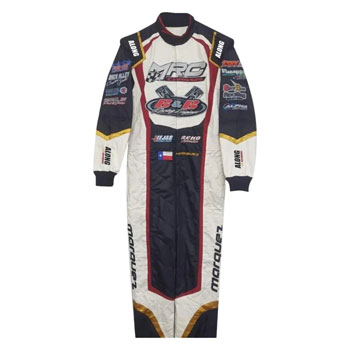
Yes — you’re always allowed to exceed minimum requirements. A 3-layer suit in a 1-layer-required series just means you’re better protected. The only downside is heat and weight.
SFI (Safety Foundation Inc.) certifies suits primarily for North American racing. FIA (Fédération Internationale de l’Automobile) certifies suits for international and European-based series. The standards are broadly comparable but not interchangeable — check your series’ rulebook for which they accept. Along Race Wear suits carry SFI certification.
For fire protection, yes. However, ‘protection’ in racing is multi-dimensional — visibility, mobility, and thermal comfort all matter. A poorly fitted 3-layer suit with restricted arm movement could be more dangerous than a well-fitted 1-layer suit in some racing scenarios. Fit matters as much as layer count.
SFI 3.2A certification is typically valid for 5 years from the manufacture date (check the label on your suit). After that, the suit may still be wearable but will not pass technical inspection at most sanctioned events. Always store your suit hanging (not folded) and away from direct sunlight to preserve the Nomex fibers.
Not significantly, if done correctly. Wash in cold water, gentle cycle, with mild detergent — avoid bleach or fabric softener, which degrade Nomex fibers over time. Never dry clean. Hang dry only. Proper care preserves both the protection rating and the appearance of your suit.
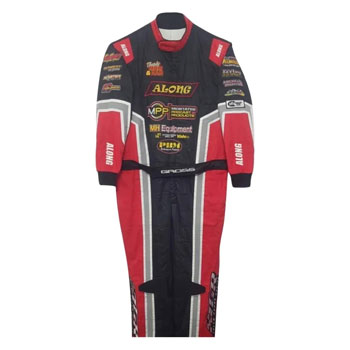
Along Race Wear offers SFI-approved Nomex suits across all three layers — from affordable off-the-rack nomex suit options to fully custom, precision-tailored suits with your team colors, logos, and sponsor branding.

